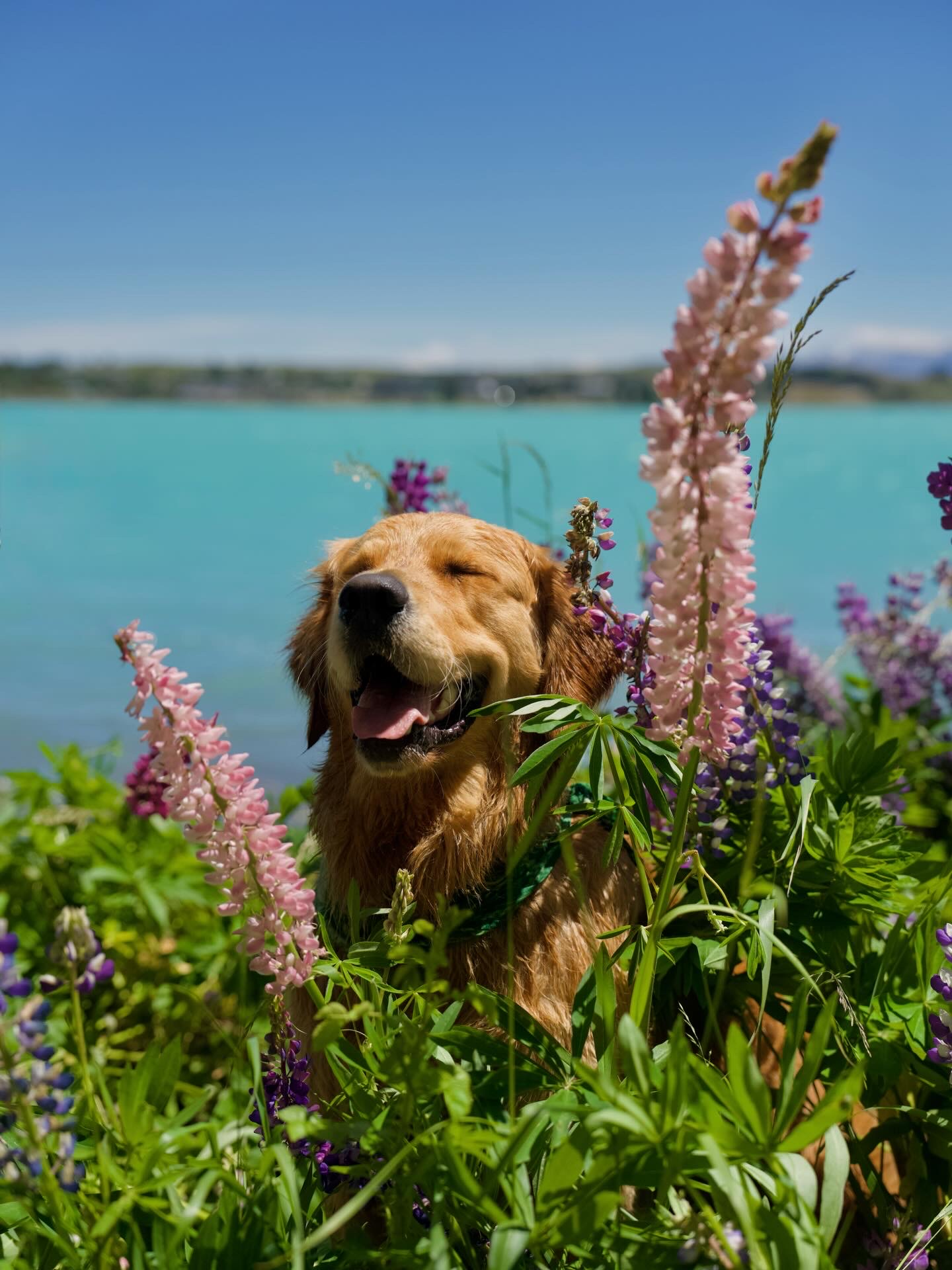
Camping with Dogs in New Zealand
A complete guide to DOC campsites, booking, gear, and etiquette for camping with your dog on conservation land.
DOC Campsite Categories
DOC operates over 200 campsites across New Zealand, grouped into four categories based on facilities and services provided:
- Basic campsites: Minimal facilities -- typically just a toilet and sometimes a water source. No booking required. Often in remote, beautiful locations. These are usually the most dog-friendly as they are less busy. Free or very low cost.
- Standard campsites: Toilets, water supply, and sometimes a cooking shelter or picnic tables. Some may have cold showers. Usually first-come, first-served. Fees are modest ($8-$10 per adult per night).
- Scenic campsites: Better facilities including flush toilets, tap water, rubbish collection, and sometimes hot showers. Often in popular scenic locations. May require booking in peak season. Fees around $10-$15 per adult per night.
- Serviced campsites: The highest level of DOC camping. Powered sites, hot showers, flush toilets, kitchen facilities, and laundry. Booking is usually required. Fees range from $15-$23 per adult per night.
Note: Not all DOC campsites allow dogs. Check the specific campsite listing on the DOC website before travelling. Our map shows which campsites have dog-friendly policies.
Booking and Fees
How you book depends on the campsite category and time of year.
- Online booking: Available for Scenic and Serviced campsites through the DOC website (doc.govt.nz). Book early for peak season (December-February) as popular sites fill up fast.
- First-come, first-served: Basic and most Standard campsites do not take bookings. Arrive early, especially on weekends and public holidays.
- Payment: Pay online when booking, or at self-registration kiosks on site. Some remote sites operate on an honesty box system.
- DOC Campsite Pass: If you camp frequently, consider an annual campsite pass. The Standard pass covers Basic and Standard sites. The Serviced pass covers all campsite categories. Passes save money if you camp more than a few times per year.
- Children: Children under 5 are free. Youth (5-17) are typically half the adult rate.
- Dogs: There is generally no additional fee for dogs at campsites that allow them, but you must have a valid DOC dog permit.
What to Bring for Your Dog
Camping with a dog requires a few extra items beyond your regular camping gear:
- Tie-out stake or cable: A ground stake with a cable run gives your dog room to move around camp while staying secure. Essential at shared campsites.
- Dog bed or mat: An insulated sleeping pad keeps your dog off cold ground. In winter, a proper dog sleeping bag or fleece blanket is worthwhile.
- Collapsible bowls: Pack separate bowls for food and water. Collapsible silicone bowls save space.
- Enough food plus extra: Pack at least one extra day's worth of food in case your trip runs longer than planned.
- Poo bags: Bring plenty. Carry all waste out -- do not bury it at campsites.
- Towel: A quick-dry dog towel is essential for drying off after river crossings or rain.
- Dog coat or jacket: Nights can be very cold, even in summer at altitude. A waterproof dog coat is a good investment.
- LED collar or light: Helps you keep track of your dog after dark.
- Dog first aid kit: Antiseptic, bandages, tweezers, tick remover, and any regular medications.
Campsite Etiquette
Being a considerate camper helps keep campsites open to dogs for everyone.
- Noise control: Keep your dog quiet, especially during evening and early morning hours. Persistent barking is the number one complaint about dogs at campsites. If your dog barks at night, bring them into your tent or vehicle.
- Other dogs: Do not assume all dogs are friendly. Always ask before allowing your dog to approach another. Keep your dog on-lead in communal areas and at all times unless you have a secure, fenced space.
- Respect other campers: Not everyone is comfortable around dogs. Keep your dog away from other people's tents, cooking areas, and belongings. Clean up any digging or disturbance before you leave.
- Wildlife: Keep your dog secured at all times, especially at dawn and dusk when wildlife is most active. Dogs can harass or kill native birds, lizards, and insects even within campsite boundaries.
- Shared facilities: Do not wash your dog at campsite taps or in shared kitchen areas. Keep your dog away from water tanks and communal shelters.
Remember: Poor behaviour by dog owners is the main reason campsites restrict or ban dogs. Be the camper who makes others glad dogs are allowed.
Fire Rules on Conservation Land
Fire is a serious risk in New Zealand's dry summers and can threaten both bush and wildlife.
- Fire season: From October to April, fire restrictions are in place across most of New Zealand. During this period, open fires may be restricted or completely banned depending on conditions.
- Check the fire danger: Visit checkitsalright.nz before lighting any fire. Fire danger levels range from Low to Extreme. At Very High and above, all open fires are prohibited.
- DOC campsite fires: Many campsites have designated fireplaces or fire pits. Only light fires in these designated areas. Some campsites ban fires entirely -- check the campsite information.
- Gas cookers: Gas stoves and BBQs are generally permitted even during fire bans, but must be used on a non-flammable surface and kept clear of vegetation.
- Penalties: Lighting a fire during a total fire ban carries fines up to $300,000 and/or imprisonment. The risk is not worth it.
Tip: Always carry a gas stove as your primary cooking method. Do not rely on campfires for cooking or warmth -- bring appropriate clothing and sleeping gear instead.
Leave No Trace with Dogs
The Leave No Trace principles apply doubly when you are camping with a dog. Here is how to adapt them:
- Plan ahead and prepare: Research whether dogs are allowed at your destination. Carry everything your dog needs so you are not caught out. Know your dog's limits.
- Travel and camp on durable surfaces: Keep your dog on established tracks and campsite areas. Do not let them run through fragile vegetation, wetlands, or stream banks.
- Dispose of waste properly: Pack out all dog waste in sealed bags. Do not bury it -- dog faeces contain pathogens not native to New Zealand ecosystems. Carry waste to the nearest rubbish bin or take it home.
- Leave what you find: Do not let your dog dig, disturb natural features, or chase wildlife. Fill in any holes your dog digs before leaving.
- Minimise campfire impacts: Keep your dog away from fire pits. Ash and embers can burn paws, and dogs can knock over cooking equipment.
- Respect wildlife: Dogs are predators. Even a friendly, curious dog can stress native animals to the point of abandoning nests or dens. Keep your dog close and controlled at all times.
- Be considerate of other visitors: Your dog is your responsibility. Ensure they do not negatively impact other people's experience of the outdoors.